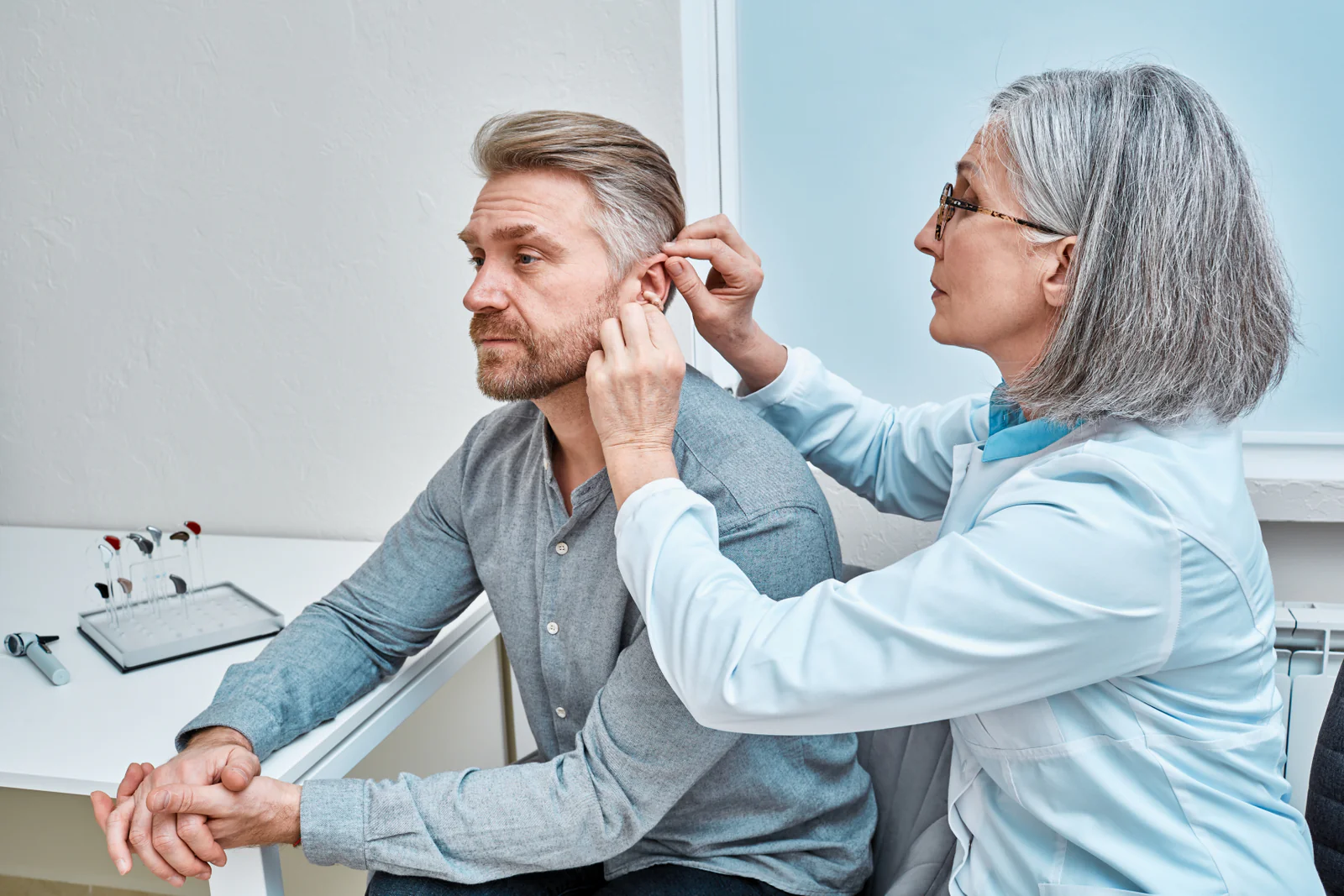
HSP Changes in 2027: 5 Steps Perth Pensioners Should Take Now to Protect Their Hearing Aid Funding
If you receive the Age Pension and use subsidised hearing services, the Hearing Services Program (HSP) is changing in early 2027.
The Australian Government has announced plans to simplify the HSP voucher scheme from 49 service items to just 11. A service item is the code a provider uses to claim a particular hearing service or appointment under the program.
This does not mean the HSP is ending, or that pensioners will suddenly lose access to hearing care. The main change is how services are grouped, delivered and claimed. However, the new structure may affect follow-up appointments, hearing aid refits, maintenance and replacement eligibility.
As an audiologist, I want my patients to understand what is happening before the changes arrive. If you are searching for hearing aids pensioners Perth or hearing aids Perth, now is the right time to check your records, understand your options and speak with an accredited provider.
Important: The final legal wording, start date and detailed service rules must be confirmed in the Department of Health and Aged Care’s updated HSP documents. The information below is based on the current reform announcements and consultation material available in August 2026.
What is the Hearing Services Program?
The HSP is an Australian Government program that helps eligible people access subsidised hearing assessments, hearing aids, fitting services, repairs and ongoing support.
Eligibility commonly includes people who:
- Receive the Age Pension
- Hold a qualifying DVA Gold Card
- Hold a DVA White Card covering hearing
- Receive certain eligible social security payments
- Meet other program criteria listed by the Department of Health and Aged Care
You can review the official requirements on the Australian Government Hearing Services Program eligibility page.
For many eligible pensioners, the program may provide:
- A comprehensive hearing assessment approximately every five years
- A hearing review approximately every 12 months
- Access to fully or partially subsidised hearing aids
- Fitting and adjustment support
- Maintenance and selected repairs
- Replacement devices when the program’s clinical and timing rules are met
The 2027 reform is mainly an administrative simplification. It is not currently described as a removal of pensioner eligibility or core hearing support.
What is changing in 2027?
The key proposed changes include:
- Service items reducing from 49 to 11
- More services being grouped into broader clinical categories
- Quarterly maintenance payments to providers
- Clearer rules for device eligibility and refitting
- Two claimable clinical sessions in the 12 months after a fitting
The new categories are expected to cover areas such as:
- Assessment
- Clinical sessions
- Hearing aid fitting
- Follow-up
- Repairs
- Replacements
- Remote controls
- Spare devices
- Miscellaneous services
- Assistive listening devices
- Maintenance
The purpose is to make the program easier for providers to administer and easier for the government to monitor. However, fewer service items may mean your appointments are structured differently.
What will not necessarily change?
The HSP is expected to continue providing support for eligible pensioners, including access to subsidised hearing aids. The exact level of support will depend on:
- Your eligibility
- Your hearing test results
- The age and condition of your current devices
- Whether your device meets the new criteria
- Whether you need a fully subsidised or partially subsidised option
- The final 2027 Schedule of Service Items and Fees
The Department’s modelling report on the proposed HSP voucher scheme changes explains the intended structure in more detail.

5 steps Perth pensioners should take now
1. Confirm your HSP eligibility and provider
Do not assume your funding will continue automatically without checking your details.
Start by confirming:
- Your pension or DVA status
- Whether your HSP voucher is active
- The date of your last hearing assessment
- The date your current hearing aids were fitted
- Whether your provider is accredited under the program
- Whether you have moved, changed address or changed funding circumstances
Follow these steps:
- Visit the official Hearing Services Program website.
- Review the eligibility requirements.
- Contact your current provider and ask them to confirm your HSP status.
- Ask whether they are preparing for the 2027 service-item changes.
- Keep a written record of the response.
At Pristine Hearing, I help patients navigate HSP funding, hearing aid options and other payment pathways. You can also read our hearing funding information before your appointment.
Practical takeaway: Make sure your eligibility, provider and funding records are correct before the new schedule begins.
2. Check the age and condition of your hearing aids
Find out exactly when your current hearing aids were fitted.
Many pensioners do not remember the fitting date, particularly if the devices were supplied through a different clinic. Your provider should be able to check your records, and you may also find the date on:
- Your original paperwork
- Your hearing aid warranty
- A previous invoice
- Your device service record
- Your HSP client information
If your hearing aids are approaching the usual replacement timeframe, arrange a review rather than waiting until they fail completely.
Ask your audiologist:
- How old are my current hearing aids?
- Are they still clinically suitable?
- Are repairs becoming more frequent?
- Is my hearing changing?
- Do I meet the current replacement requirements?
- Could the 2027 Device Eligibility Criteria affect my situation?
- What information will be needed if a refit is considered?
The Device Eligibility Criteria (DEC) are the clinical rules used to determine whether a hearing aid or refit can be provided under the HSP. These rules may include hearing test results, a questionnaire and other factors such as tinnitus or visual impairment.
A composite example
To protect privacy, the following is a composite example based on common situations I see in practice.
Margaret is 76 and lives in Joondalup. Her hearing aids are almost five years old. She has noticed that speech sounds muffled, especially when her family visits, but she assumed the problem was simply ageing.
At her review, testing showed that her hearing had changed and her devices were no longer providing enough benefit. By checking her fitting date and documenting her current hearing needs early, Margaret had time to discuss the correct pathway instead of waiting until her devices stopped working.
An early review does not guarantee an early replacement, but it gives you and your audiologist the information needed to make an informed decision.
Practical takeaway: Locate your fitting date and arrange a hearing review if your devices are old, unreliable or no longer meeting your needs.
3. Book a hearing review before the transition
Do not wait until 2027 to report a problem that is already affecting your life.
A hearing review can identify:
- Changes in hearing sensitivity
- Poor speech understanding
- Blocked or damaged hearing aids
- Earwax affecting device performance
- Incorrect programming
- Battery or charging problems
- Comfort issues
- Difficulty hearing in background noise
At Pristine Hearing, an adult hearing assessment includes a detailed case history, ear examination and hearing tests such as:
- Pure-tone audiometry: measures the quietest sounds you can hear at different pitches
- Speech audiometry: checks how well you understand speech
- Immittance testing: assesses the function of the middle ear
- Speech-in-noise testing: examines how well you understand conversation in noisy environments
You can learn more about our adult hearing services in Perth.
Prepare for your appointment
Write down:
- When you struggle most
- Which people are hardest to understand
- Whether television volume has increased
- Any ringing or buzzing in your ears
- Whether one device works better than the other
- Any recent repairs or comfort problems
- What you want to hear more easily
Bring your hearing aids, charger, spare batteries and any relevant paperwork.
Practical takeaway: A timely review creates a clear clinical record and helps your audiologist plan around the 2027 changes.
4. Understand the new follow-up and refitting rules
Ask your provider how the new rules may affect your appointments.
Under the proposed model, only two clinical sessions may be claimable in the 12 months after a hearing aid fitting:
- One aural rehabilitation session
- One client review
Aural rehabilitation means practical training and counselling to help you use your hearing aids effectively in everyday communication.
This does not mean you should avoid asking for help. It means you should use your funded appointments carefully and ask your audiologist to explain:
- What each appointment includes
- Which concerns should be combined into one session
- What maintenance is covered
- Whether additional appointments may involve a private fee
- Which repairs can be claimed under the program
- What happens if your hearing changes after fitting
A composite example
George is 81 and lives in Nollamara. He regularly needs help with volume changes, cleaning and television listening. Under a system with fewer, broader service categories, his provider may need to plan these concerns within defined clinical sessions rather than claiming several smaller services separately.
The best approach is to arrive with a written list of priorities. Put the most important communication problem first, such as understanding your partner or hearing safely outdoors.
Practical takeaway: Keep a list of hearing problems and use your funded clinical sessions for the issues that matter most.
5. Ask about all costs, maintenance and alternatives
Get a clear written explanation of what is fully subsidised, partially subsidised or privately payable.
The 2027 changes may alter how providers claim maintenance, with proposed quarterly payments replacing the current annual maintenance claiming structure.
For you, the important question is not just how the provider claims. Ask what support you will actually receive.
Confirm:
- Whether your hearing aids are fully subsidised
- Whether a maintenance co-payment applies
- Whether batteries, cleaning and repairs are included
- Whether remote controls are covered
- What is included in aftercare
- What private fees may apply
- Whether a partially subsidised device is suitable
- Whether payment assistance is available
Pristine Hearing provides hearing aid repairs and maintenance for different hearing aid types, including cleaning, checks, emergency repairs and mould retubing.
If you need hearing aids but cost is a concern, ask about:
- The Pristine Hearing Aid Bank
- Interest-free payment options
- Private health insurance rebates
- Medicare-related rebates where applicable
- DVA pathways
- Other funding options
Do not sign up for a private payment plan until you understand exactly what the HSP covers and what you are paying for.
Practical takeaway: Request a written quote and service plan so there are no surprises.

Your simple HSP preparation checklist
Complete these tasks before the 2027 changes commence:
- Confirm your HSP eligibility
- Confirm your provider is accredited
- Find the fitting date of your current hearing aids
- Book a hearing review if your devices are ageing or unreliable
- Take your hearing aids and paperwork to the appointment
- Ask how the new 11-item structure may affect you
- Ask about follow-up session limits
- Confirm maintenance and repair arrangements
- Request a written quote for any private costs
- Check the latest official HSP notices
The Department’s Schedule of Service Items and Fees is the document to watch as the final rules are released.
Final advice for pensioners in Perth
The HSP is being simplified, but you do not need to panic. The smartest move is to prepare early.
- Check your eligibility and records.
- Review your current hearing aids.
- Document any changes in your hearing.
- Understand the new appointment structure.
- Confirm every cost in writing.
If you are looking for hearing aids for pensioners in Perth, I can help you understand your HSP options, compare suitable devices and plan your aftercare. We provide personalised audiology rather than a one-size-fits-all approach, and we can explain the technical details in plain English ; bob’s your uncle.
Contact Pristine Hearing or book a hearing assessment. You can also call (08) 6336 7170 for friendly advice.

This article provides general information only. HSP rules, service items, fees and eligibility requirements can change. Always confirm the current position with the Australian Government Department of Health and Aged Care or an accredited hearing services provider.