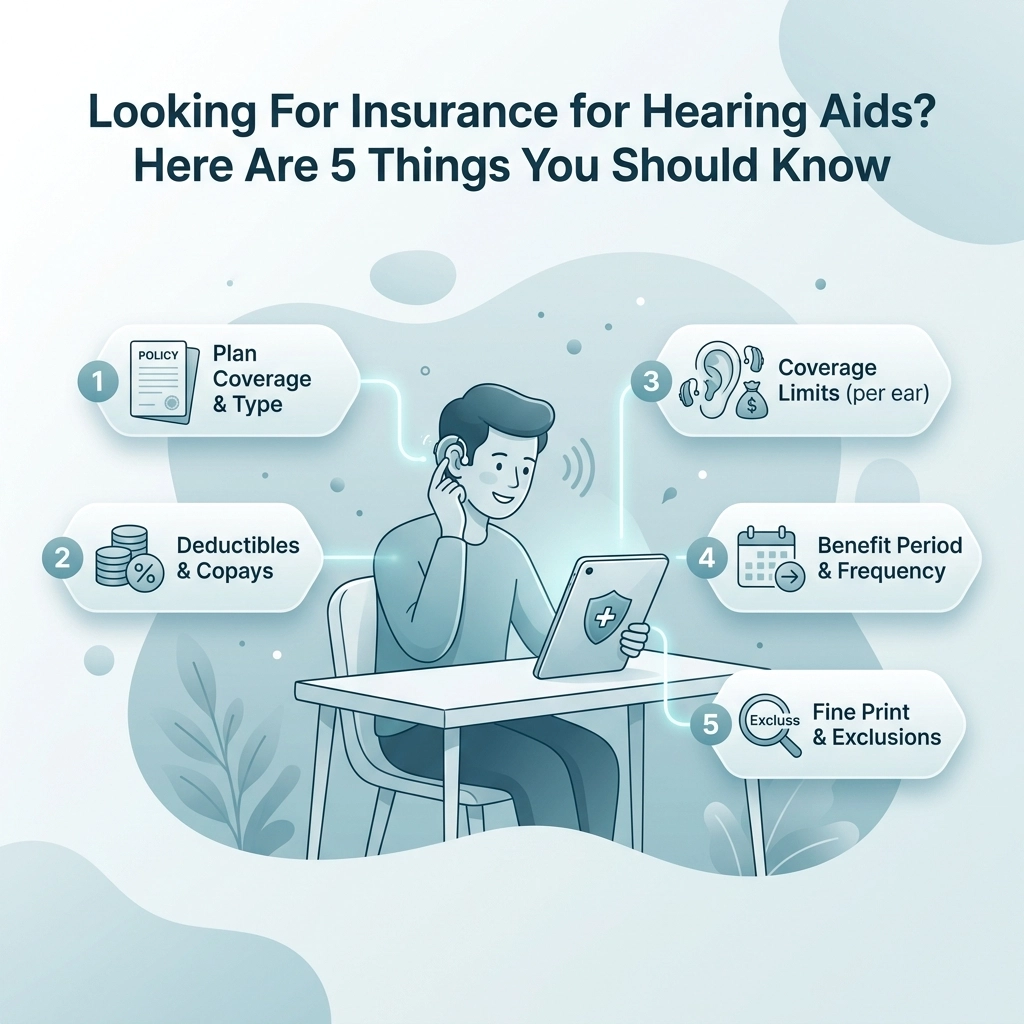
Looking For Insurance for Hearing Aids? Here Are 5 Things You Should Know
G’day! I’m Michael Segal, the Manager here at Pristine Hearing. Over the years, I’ve sat down with hundreds of patients who are absolutely thrilled with their new hearing technology, only to see a look of sheer panic cross their faces five minutes later when they ask: "What happens if I lose these things?"
It’s a fair dinkum concern. Investing in high-quality hearing aids is an investment in your quality of life, your career, and your relationships. Naturally, you want to protect that investment. But let’s be honest, navigating the world of insurance for hearing aids can feel like trying to find your way through a thick bushfire smoke without a map.
Whether you’re looking at private health "Extras," government subsidies, or even your home and contents insurance, there are some critical traps you need to avoid. I’ve seen patients save thousands by knowing the right questions to ask, and I’ve seen others left out of pocket because they assumed they were covered when they weren't.
So, let’s get you sorted. Here are 5 things you absolutely must know about insuring your hearing aids in Australia.
1. Private Health Insurance Isn't "All or Nothing"
When people ask about insurance for hearing aids, they usually start with their private health fund. In Australia, hearing aids are typically covered under "General Treatment" or "Extras" cover. However, here is the kicker: coverage varies significantly depending on your plan type and your provider.
I recently had a patient, let’s call him Barry from Joondalup. Barry had been with the same health fund for thirty years. He walked in thinking his "Top Hospital and Extras" would cover the full cost of his new rechargeable aids. When we checked, his fund only offered a $600 rebate per ear every five years. While $1,200 total is nothing to sneeze at, it still left Barry with a significant gap.
Here is what you need to check with your fund immediately:
- The Benefit Limit: This is the maximum amount they will pay out. Is it $500? $1,000? $2,500?
- The Benefit Cycle: Most funds only allow you to claim new devices every 3, 5, or 6 years. If you lose your aids after 2 years, you might be on your own.
- The "Per Ear" vs. "Per Person" Limit: Some funds give you a total pot of money, while others split it strictly per device.
- The Waiting Period: If you’ve just joined a fund or upgraded your cover, you’ll likely have a 12-month waiting period before you can claim. Do not buy your aids before this period is up, or they won't pay a cent.
Practical Summary: Before committing to a purchase, call your health fund and ask for the specific "item number" rebates for hearing aids. If you need help, get a quote from us first so you have the exact figures to give your insurer.

2. Health Insurance Does NOT Cover Loss or Accidental Damage
This is the biggest "gotcha" in the industry. Most private health insurance policies only cover the initial purchase of the hearing aids. They are not like car insurance; if you drop your hearing aid in the Swan River or your cheeky Kelpie decides it looks like a chew toy, your health fund will likely tell you "sorry, mate."
To protect against loss, theft, or accidental damage, you usually have two options:
- Home and Contents Insurance: You can often add your hearing aids as "specified items" or "portable valuables" on your home insurance policy. This usually covers them even when you’re out of the house.
- Specialist Hearing Aid Insurance: There are dedicated providers (like Assetlo in Australia) that focus specifically on medical devices.
Make sure to ask your home insurer these three questions:
- "Are my hearing aids covered if I lose them outside of my home?"
- "Is there a deductible or excess I have to pay for a claim?" (Sometimes the excess is higher than the repair cost!)
- "Do I need to list them individually on the policy?"
Important Advice: Do not assume they are covered under "general contents." Most policies have a limit on unlisted items (often around $500), which won't cover the cost of a high-end device. For more detail on this, check out our guide on why you should insure against accidental loss.
3. The Hearing Services Program (HSP) is Your Secret Weapon
If you are a pensioner or a veteran, you might not need traditional insurance for hearing aids in the way you think. The Australian Government’s Hearing Services Program (HSP) provides massive support.
I work with many veterans who are surprised to learn they can access fully subsidised (free) hearing aids. Now, if you want the "bells and whistles" (like direct Bluetooth streaming to your TV or advanced AI noise reduction), you can choose to "top up." This means the government pays their standard contribution, and you pay the difference.
What about loss and damage under HSP?
The HSP has a brilliant "Maintenance Agreement." For a small annual fee, the government covers the cost of all repairs and batteries. If you lose a "fully subsidised" aid, you usually only pay a small replacement fee (around $40-$50) rather than the full cost. If it’s a "top-up" aid, however, you may be responsible for the difference in value, which brings us back to needing that private insurance!
Step-by-Step for HSP Eligibility:
- Check if you have a Pensioner Concession Card or a DVA Gold/White card.
- Apply for a voucher through the HSP website.
- Book an appointment with us to see how much of the cost can be covered.
Practical Summary: If you’re eligible for the HSP, your "insurance" is essentially built into the program through the maintenance agreement. It’s a cracker of a deal.
4. Understanding the "Wait and See" Trap
I’ve seen this happen far too often: a patient realizes they have hearing loss, they look at the price of aids, and then they decide to join a health fund and wait out the 12-month waiting period to save $800.
While saving money is great, do not compromise your cognitive health for a small rebate. Research shows that leaving hearing loss untreated can lead to social isolation, depression, and even an increased risk of dementia. If you wait 12 months just to save a few hundred bucks, the "cost" to your brain and your quality of life might be much higher.
My Professional Advice: If you need help now but the budget is tight, look into funding options or interest-free payment plans. Sometimes, getting a mid-range pair of aids today is better than waiting a year for a top-tier pair.
Also, keep in mind that "Trial Periods" are your friend. Most reputable clinics (including us at Pristine) offer a trial. This isn't insurance, but it is a "safety net" to ensure you aren't stuck with technology that doesn't work for your specific lifestyle.

5. Manufacturer Warranties vs. Insurance
It is vital to distinguish between a warranty and insurance.
- Warranty: This is provided by the manufacturer (like Phonak, Oticon, or Signia). It covers "mechanical failure" or "factory defects." If the internal chip stops working because of a manufacturing fault, the warranty covers it. Most new aids come with a 3-year manufacturer warranty.
- Insurance: This covers "user error" or "external events." If you step on them, wash them in the laundry, or they get stolen from your car, the warranty will not help you. That is where insurance for hearing aids kicks in.
I remember a patient, "Dave," who brought in his hearing aids after they’d been through a 60-degree cotton cycle in his Miele washing machine. He was adamant it should be a "warranty repair" because they were only six months old. Sadly, "death by laundry" is not a factory defect! Fortunately, Dave had listed them on his home insurance, and he was back in action within a week.
Actionable Advice: Get your Audiologist (a specialist in hearing health) to give you a written valuation or a "Proof of Value" letter for your insurance company the day you fit your new aids. This makes the claims process a piece of cake if something goes wrong down the track.
How to Protect Your Investment: A Quick Checklist
Now that we’ve looked at the different ways to cover your tech, here is a simple checklist to make sure you’re protected from day one:
- [ ] Call your private health fund: Ask specifically for the "Item 823" (Hearing Aid) rebate amount.
- [ ] Check your Home & Contents: See if "Portable Valuables" covers hearing aids outside the home.
- [ ] Confirm your Warranty: Know exactly how many years of factory cover you have (usually 3 years).
- [ ] Sign the Maintenance Agreement: If you are an HSP client, pay the annual fee. It’s the best insurance you’ll ever buy.
- [ ] Keep your receipts: Scan them and keep a digital copy. Bob’s your uncle, you’re ready to claim if needed.
Final Thoughts from Michael
Finding the right insurance for hearing aids doesn't have to be a headache. It’s all about being proactive rather than reactive. Don't wait until you're staring at an empty hearing aid case to wonder if you're covered.
If you're feeling overwhelmed by the options, or you're not sure if you qualify for government funding, come and have a yarn with us. We deal with insurers and government departments every day, and we’re more than happy to help you navigate the paperwork.
At Pristine Hearing, we’re all about making sure you hear the world clearly, without the stress of "what ifs." Whether you’re dealing with tinnitus or just general hearing loss, we've got your back.
Ready to take the next step?
Contact us today or check out our services to see how we can help you stay connected to the sounds you love.
Practical Summary: Insurance for hearing aids is a multi-layered shield. Use your Private Health for the purchase, your Home & Contents for loss/damage, and the Manufacturer Warranty for repairs. Combine all three, and you can wear your aids with total peace of mind.