Travel with Ease: A Modern Guide to Exploring the World with Hearing Aids
Let’s be fair dinkum: traveling is one of life’s greatest joys, but it can also be a bit of a logistical minefield. Whether you’re heading off on a luxury cruise through the Mediterranean, trekking through the humid jungles of Southeast Asia, or just popping over to the East Coast to see the grandkids, there’s a lot to think about. If you wear hearing aids, that "to-do" list gets a little longer.
I’ve seen it time and time again in my clinic. A patient comes back from a dream holiday and tells me, "I missed half the tour guide's jokes because of the wind," or worse, "My charger gave up the ghost in a tiny village in Italy." It breaks my heart!
In 2026, hearing technology is better than ever, but it still requires a bit of savvy to ensure your trip is seamless. Do not leave your hearing health to chance. This is your comprehensive, expert-led guide to exploring the world with confidence.
1. The Pre-Flight Tune-Up: Your Mission Protocol
Before you even think about zipping up your suitcase, you need to ensure your "ears" are in peak condition. I tell my patients that a hearing aid service is just like getting your car serviced before a long road trip: you wouldn’t drive to Exmouth without checking the oil, right?
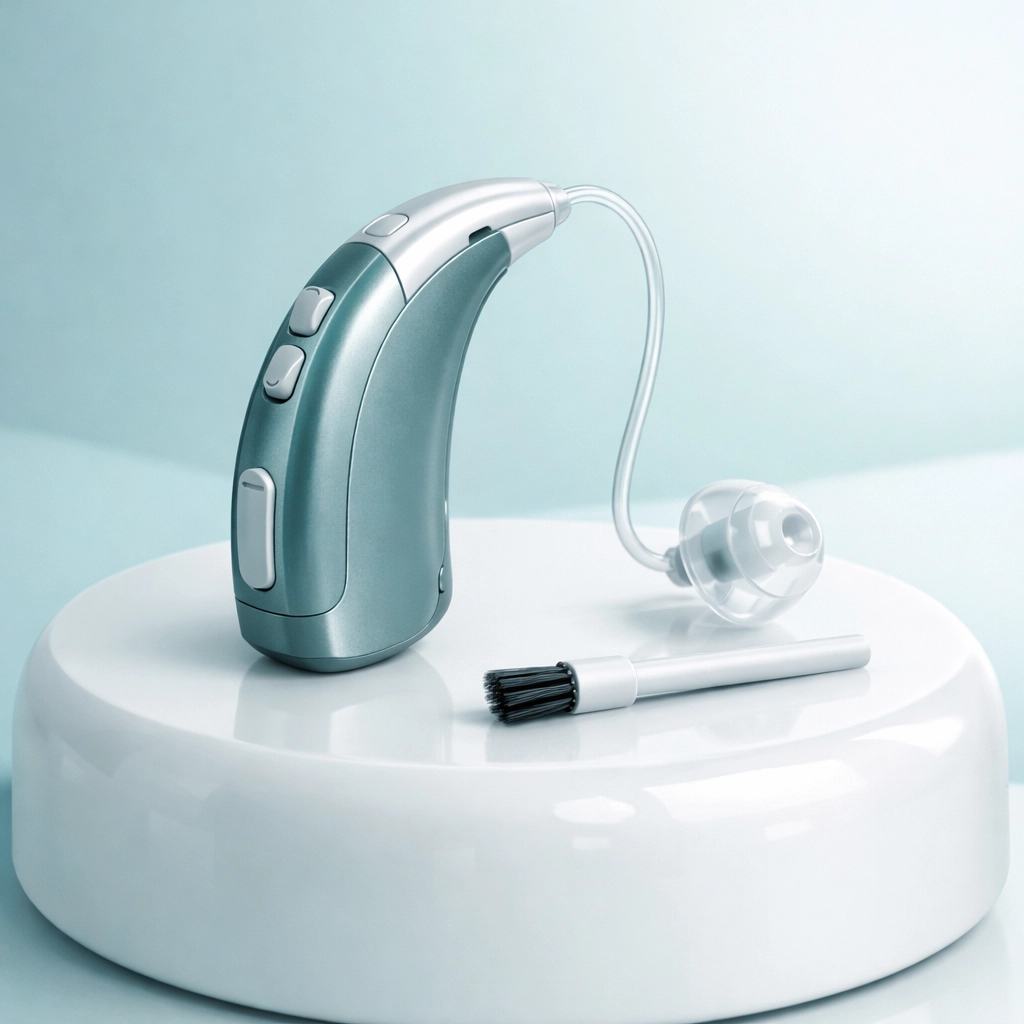
- Book a Professional Cleaning: Visit us at Pristine Hearing at least two weeks before you depart. We’ll check the receivers, clear any stubborn wax, and ensure the firmware is updated.
- Clear the "Pipework": If you’ve got a bit of wax build-up, it’s going to feel ten times worse with the pressure changes on a plane. I highly recommend getting a professional earwax removal before you fly.
- Stock Up on Supplies: Buy more wax guards and domes than you think you’ll need. You don't want to be hunting for specific spare parts in a foreign language.
2. The Ultimate Hearing Aid Travel Packing List
If you forget your toothbrush, you can buy one at the airport. If you forget your specific hearing aid charger or custom-fitted domes? Bob’s your uncle: you’re in for a struggle.
Make sure to pack these essentials in your carry-on luggage (never check them in!):
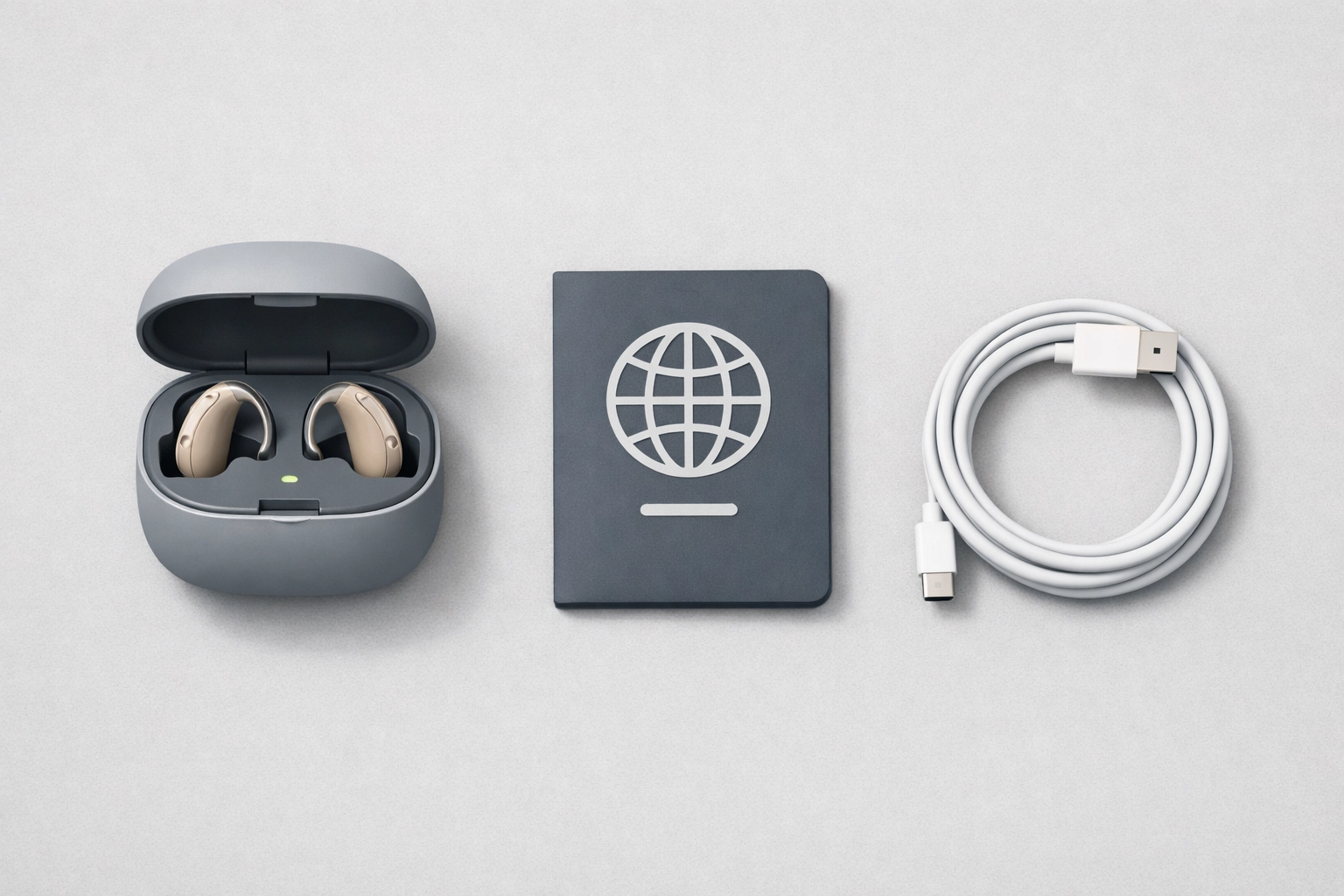
- Batteries or Charger: If you use disposables, pack enough for the whole trip plus a week’s extra. If you’re on rechargeables, bring the charging dock AND a spare USB cable.
- International Power Adapters: Remember, the wall sockets in London aren’t the same as the ones in Perth. Ensure your adapter is compatible with your charger’s voltage.
- Portable Power Bank: If you’re on a long-haul flight and your charger doesn't have a built-in battery, a power bank is a lifesaver.
- Cleaning Kit: Brush, wax pick, and a microfiber cloth.
- Dehumidifier or Drying Jar: This is crucial if you’re heading somewhere humid like Bali or Cairns. Moisture is the number one killer of hearing aids.
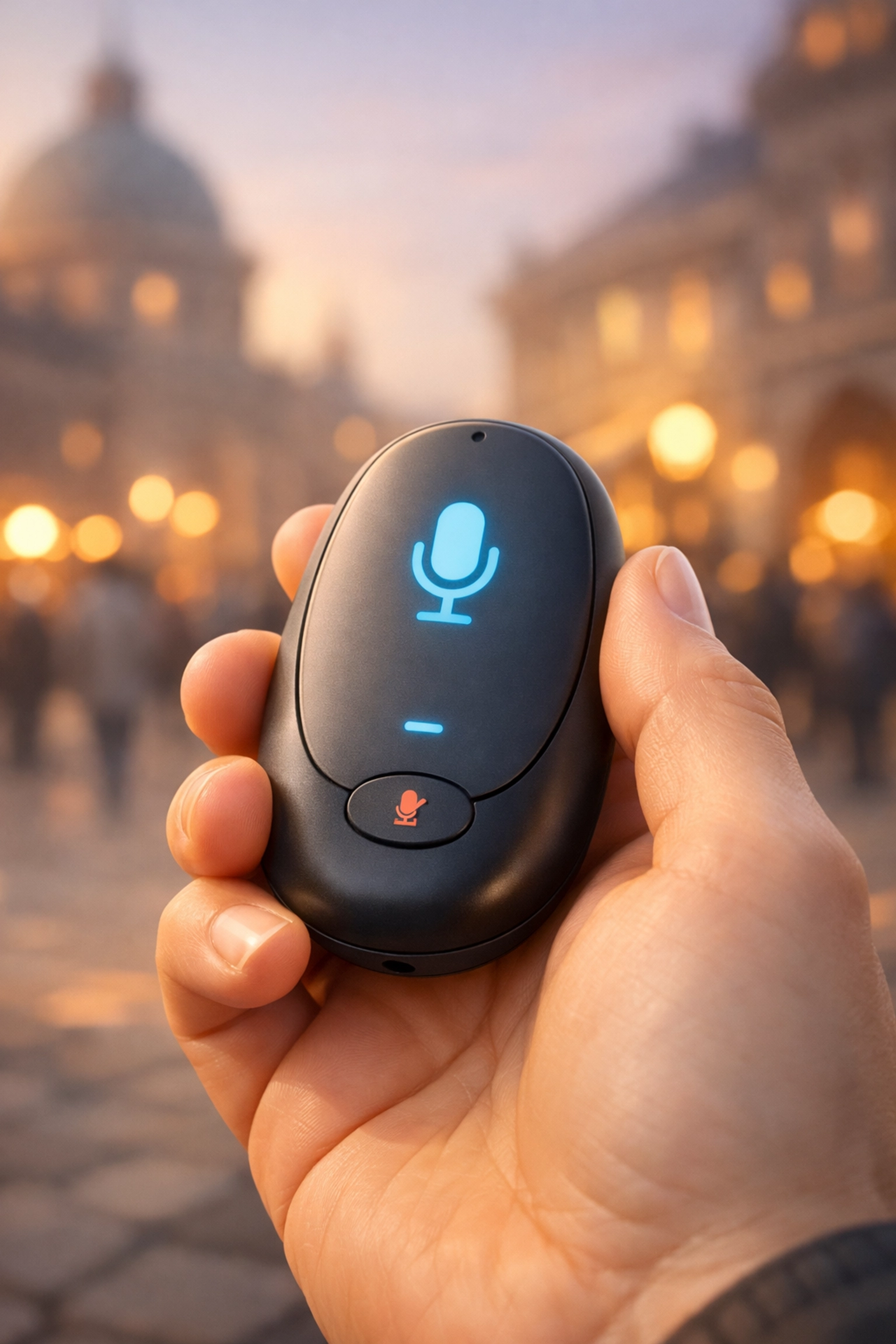
- Remote Microphone / Accessories: If you have a Roger On, a PartnerMic, or a TV Streamer, bring them!
- Spare Hearing Aids: If you have an older pair, bring them as a backup. Check out our Hearing Aid Bank if you need advice on backup options.
3. Navigating the Airport and Security
The airport can be a high-stress environment, but your hearing aids shouldn't add to it.
Do not remove your hearing aids at security. Modern hearing aids do not set off metal detectors or X-ray machines. If you’re worried, just tell the security officer, "I’m wearing hearing aids," but in 99% of cases, it’s a non-issue.
Watch out for the "Loop": Many major airports are fitted with Induction Loops (a system that broadcasts sound directly to the 'T-coil' or Telecoil in your hearing aid). Look for the blue ear symbol. When you see it, switch your aids to the "T" program, and you’ll hear the boarding announcements directly in your ears, cutting out all that terminal echo. It’s like magic!
4. Surviving the Long-Haul Flight
The cabin of a plane is noisy: usually around 80-85 decibels (a unit used to measure the intensity of sound). That constant hum makes it very hard to understand speech.
- Wear Your Aids: I always tell my patients: keep them in! You need to hear the safety briefings and the flight attendant asking if you want chicken or beef.
- Bluetooth and Flight Mode: Most modern aids have a "Flight Mode." Just like your phone, this turns off the cellular/Bluetooth transmissions while keeping the amplification on. Check your manual or ask us at your next hearing aid service how to toggle this.
- Don't Use Earplugs: Standard earplugs can make it harder for your ears to regulate pressure changes during takeoff and landing. Stick to your aids or custom-fitted pressure-regulating plugs if you’re prone to "plane ear."
5. Case Study: Gaz’s Great European Adventure
My patient, Gary (or "Gaz" to his mates), went to France last year. He’s a "go-getter" but was worried about his hearing loss holding him back on group tours. We set him up with a Remote Microphone.
During a walking tour of the Louvre, Gaz gave the microphone to the guide to wear around her neck. While the rest of the group was struggling to hear her over the shuffling crowds and echoes, Gaz was hearing her voice crystal clear, directly in his ears, from 15 meters away. He told me it was the first time in ten years he didn't feel like the "confused tourist" at the back of the pack.
Get your Audiologist to show you how to pair a remote mic before you leave. It changes the game for tours, noisy restaurants, and even hearing your partner in the car.
6. Staying "Pristine" at Your Destination
Once you’ve landed, the fun begins! But keep these maintenance tips in mind:
- The "Nightstand" Rule: Never leave your hearing aids on a hotel nightstand. They are small, beige/grey, and look a lot like trash to a busy housekeeper. Always put them directly into their hard case or charger.
- Beach Care: Saltwater and sand are the enemies. If you’re heading to the beach, keep your aids in a waterproof, sand-proof container. If you’re tempted to swim, consider custom ear plugs to keep your ears dry and healthy.
- Smartphone Apps: Ensure you have the manufacturer’s app downloaded. These apps often have a "Find My Hearing Aid" feature using GPS: absolute gold if one falls out while you're sightseeing!
7. What if Something Goes Wrong?
Don't panic! Most minor issues can be solved with a quick clean or a change of wax guard. If a hearing aid completely fails:
- Check the Wax Guard: This is the cause of 90% of "dead" hearing aids. Replace it even if it looks clean.
- Check the Battery/Charge: Ensure the contacts on your charger are clean. Use a cotton bud to wipe away any grime.
- Search for Local Care: Look for an Audiology clinic in the city you're visiting. Most major brands (like Phonak, Oticon, or Resound) have global networks.
- Contact Us: Even if you’re on the other side of the world, send us an email or book a Telehealth consult via our contact page. We can often troubleshoot via video call!
Practical Summary for Your Travels
Now that we have looked at everything from packing to plane rides, here is your "cheat sheet" for a stress-free trip:
- Get a professional clean and check-up at Pristine Hearing before you go.
- Pack your charger and spares in your carry-on, not your checked luggage.
- Use a remote microphone for tours and busy restaurants to stay engaged.
- Keep your aids in their case when not in use: never leave them loose on a table.
- Check for Induction Loops at airports and stations to hear announcements clearly.
Traveling with hearing loss doesn't have to be a burden. With the right tech and a bit of "Perth-style" preparation, the world is your oyster. If you’re planning a trip and want to make sure your hearing won't let you down, get a quote for the latest travel-friendly tech or book an appointment with me today.
Safe travels, and don't forget to send us a postcard!
Disclaimer: This guide is for general information. Always follow the specific manufacturer instructions for your devices. For more details, see our disclaimer and privacy policy.