
Do You Really Need Hearing Glasses? The Truth About Nuance Audio in Australia
Hearing glasses sound like a clever idea: one pair of specs that helps with both vision and hearing. Nuance Audio has brought this concept to Australia, with sound technology built into the frames. But are they right for you, or would professionally fitted hearing aids or another option suit you better?
Here’s my straight-talking guide to what hearing glasses can do, where they have limitations, and why a hearing check should still come first.
What are Nuance Audio hearing glasses?
Nuance Audio glasses combine spectacle frames with an air-conduction hearing aid (a device that sends sound through the air to your ears). Small speakers are built into the frame near your ears, while microphones pick up nearby sound. The sound is processed and played back to help you hear conversations more clearly.
Unlike traditional hearing aids, they don’t sit in or behind your ear. The manufacturer describes them as an over-the-counter (OTC) option for adults aged 18 and over with perceived mild-to-moderate hearing impairment. In Australia, you can buy them without an audiologist’s prescription or hearing test.
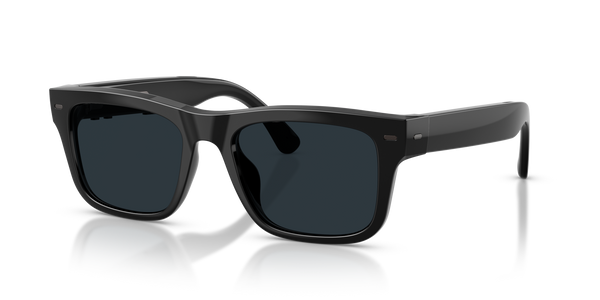
The glasses use an app for adjustments, including volume and listening modes. In frontal mode, the system focuses on sound coming from in front of you; an all-around mode is also available. The idea is to make it easier to follow a person you’re facing, particularly when other sounds compete for your attention.
In short: these are more than ordinary glasses with speakers, but they are not a one-size-fits-all answer to hearing difficulties.
Who might find hearing glasses useful?
Nuance Audio may be worth investigating if you:
- Already wear glasses and like the idea of combining vision correction with hearing support.
- Have mild-to-moderate hearing difficulties, especially when following speech in social settings.
- Feel uncomfortable with devices that sit in or behind your ears.
- Prefer a discreet, glasses-style design and are comfortable using an app to adjust settings.
- Want to explore an OTC option before deciding whether traditional hearing aids are right for you.
For example, imagine someone who wears prescription glasses every day and finds it harder to follow a friend across a cafe table. A directional listening mode may help emphasise the person they’re looking at. But a noisy cafe is not a guaranteed win: background noise, distance, room acoustics and the direction of the speaker all affect what you hear.
Think of hearing glasses as a potential option, not a promise of perfect hearing in every situation.
Hearing glasses vs traditional hearing aids vs AirPods-style devices
The right choice depends on your hearing, comfort, routine and the situations you want help with. Here’s a general comparison:
| Option | What it does | What to keep in mind |
|---|---|---|
| Nuance Audio hearing glasses | Combines glasses with open-ear sound amplification and selectable listening modes. | Designed for adults with perceived mild-to-moderate hearing impairment. It is not intended for one-sided hearing loss and is not currently designed to be worn together with hearing aids. |
| Professionally fitted hearing aids | Can be selected and adjusted to your hearing assessment and individual needs. | A hearing professional can assess your hearing, discuss options and support you with fitting and follow-up. |
| AirPods-style OTC hearing features | Some consumer earbuds offer hearing-related features or amplification. | They are earbuds rather than glasses, and their functions and suitability vary by device. Check the manufacturer’s guidance and seek a hearing assessment if you’re concerned. |
If you’re weighing up earbuds against hearing aids, see our guide to AirPods Pro vs professional hearing aids.

The key difference is personalisation and support. An OTC product lets you self-select and adjust settings. A professional hearing assessment can identify the type and degree of your hearing loss and help determine whether you need a different solution.
The limitations to know before you buy
Hearing glasses may be a poor fit if your hearing needs fall outside the product’s intended use. Nuance Audio’s guidance says the glasses are not intended for people with hearing loss in one ear, and they are not designed to be used in conjunction with hearing aids. They also do not send phone calls through the glasses’ speakers; you’ll need to continue using your phone, speakerphone or headphones for calls.
Keep these points in mind:
- They’re not a diagnostic test. Buying a device does not tell you what is causing your hearing difficulty.
- They’re designed for a particular range of hearing needs. Significant or complex hearing loss may call for a different approach.
- The glasses need to suit your vision and comfort, too. Check available frame and lens options, particularly if you have a prescription.
- You’ll need to learn the controls. The app and listening modes are part of the experience, so consider whether you’re comfortable setting them up.
- Results depend on the situation. Directional amplification may help when you’re facing someone, but it cannot remove every competing sound.
Do not rely on hearing glasses to investigate sudden or one-sided hearing changes. Sudden hearing loss needs urgent medical attention. Arrange prompt advice if your hearing changes quickly, or if you have ear pain, discharge or other worrying symptoms.
What do hearing glasses cost, and are they available in Australia?
As of October 2026, Nuance Audio lists products for Australian customers through its online store and participating retailers. Its online catalogue shows some Nuance Audio glasses starting at $1,220, prescription-lens Nuance Audio Plus models from $1,499, and selected Plus frames with Transitions lenses at $1,589. Prices and lens options can change, and your final cost may depend on the frame and prescription you choose.
You can check current models and pricing on the Nuance Audio Australia hearing glasses page, and use its store locator to check participating retailers. Confirm local stock and lens options before travelling to a store.
Why a professional hearing check still comes first
You can buy Nuance Audio without having a hearing test, but that doesn’t mean a test has no value. Hearing difficulties can have different causes, and a check helps clarify what is happening before you spend money on a device.
At Pristine Hearing, we offer a free 15-minute hearing screening as a starting point. It is not the same as a full diagnostic assessment, but it can help identify whether further assessment is appropriate. A comprehensive adult hearing assessment is a separate appointment.

Before you choose hearing glasses, take these steps:
- Notice where you struggle. Is it one-to-one conversation, group settings, the television or phone calls?
- Book a hearing check. Ask about a free screening or whether a full assessment is the right next step.
- Discuss your options. Share that you’re considering OTC hearing glasses, and ask whether they match your hearing results and needs.
- Compare the full cost and support. Check lens pricing, retailer arrangements, return terms and what aftercare is available.
- Try the device in realistic situations. If you buy, follow the manufacturer’s set-up instructions and assess how it works in the places that matter to you.
So, do you really need hearing glasses?
Maybe, if you wear glasses, have mild-to-moderate hearing difficulty and want an open-ear OTC option. They may be less suitable if you have one-sided or more significant hearing loss, or need a device that can be fitted and supported around a detailed hearing assessment.
The sensible move is to check your hearing before you choose a device. That way, you’re comparing options with a clearer picture of what your ears need. Bob’s your uncle.
Ready to take the first step? Book a free 15-minute hearing screening with Pristine Hearing Perth, or learn more about our adult hearing services.