Invisible Tech: A Deep Dive into the Latest IIC and CIC Models
Let’s be honest: when most people realize they need a bit of help with their hearing, the first thing they say to me in my clinic is, "I don't want anyone to see it." I hear you! There is still a bit of a stigma around hearing loss, even though it's as common as needing glasses. As one of the leading audiologists perth has to offer, I’ve seen the look of relief on a patient's face when I show them just how tiny modern technology has become.
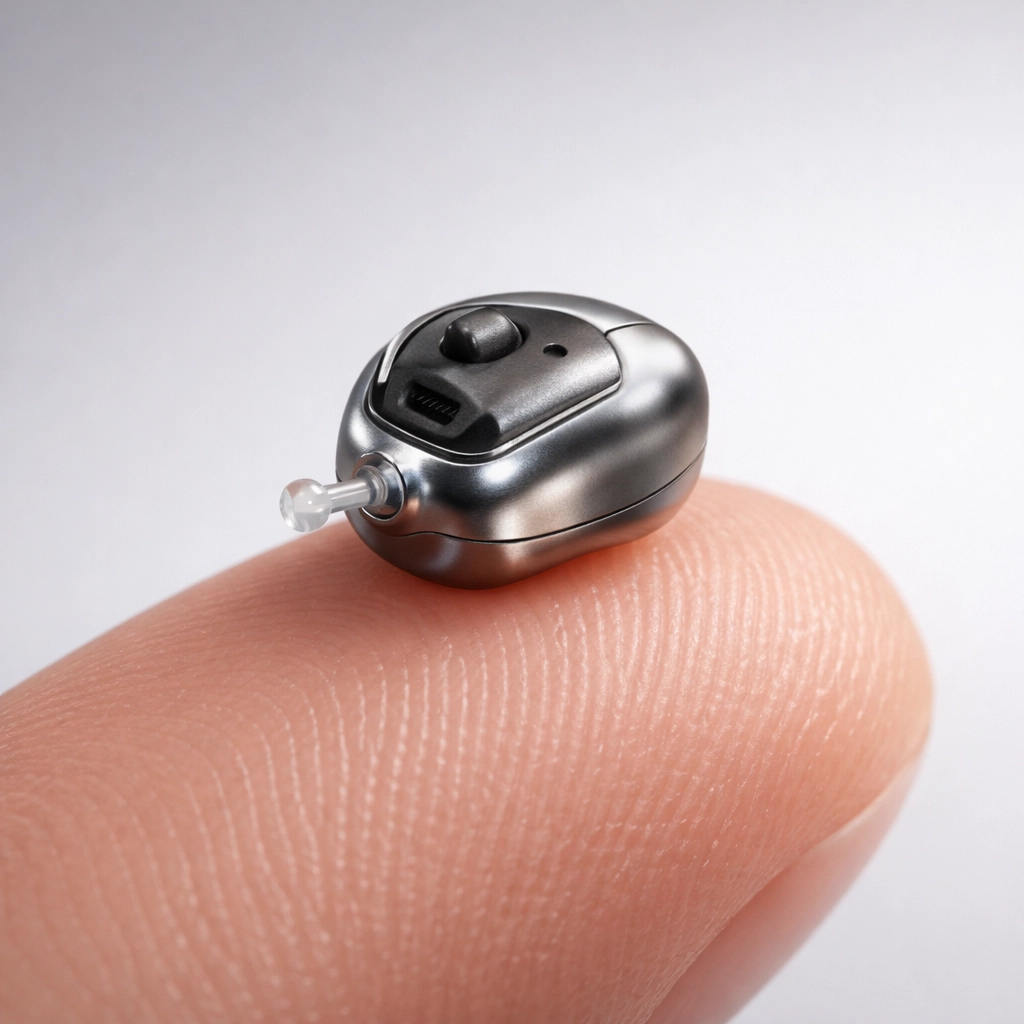
We are living in the golden age of "Invisible Tech." We are no longer stuck with the bulky "beige bananas" of the 1980s. Today, we have IIC (Invisible-in-Canal) and CIC (Completely-in-Canal) models that pack more processing power than the computer that put man on the moon, all inside a device smaller than a coffee bean.
In this deep dive, I’m going to walk you through everything you need to know about these discreet wonders, from the latest AI-driven models to the practicalities of wearing them every day. If you've been putting off a hearing test because you're worried about how you'll look, this post is for you.
What Exactly Are IIC and CIC Hearing Aids?
Before we get into the "whiz-bang" features, let’s clear up the jargon. In the world of hearing aids perth, we use a lot of acronyms, so let’s break these down:
- IIC (Invisible-in-Canal): These are the ninjas of the hearing world. They sit deep inside the ear canal, past the second bend. Because they sit so deep and the faceplate (the outer part) is usually black, they sit in the "shadow" of the ear canal. Unless someone shines a torch down your ear, they aren't going to see them. Bob's your uncle: true invisibility.
- CIC (Completely-in-Canal): These are slightly larger than IICs. They still sit entirely within the canal, but they sit a bit closer to the entrance. You might see a tiny bit of the faceplate if you look from the side, but for 99% of people you meet, they remain completely unnoticed.
Key Difference: The main trade-off is size versus power and features. Because IICs are smaller, they often use a smaller battery (Size 10) and might lack some wireless features like Bluetooth streaming directly to your phone.

Practical Summary:
- IIC is for maximum discretion and is best for mild to moderate hearing loss.
- CIC offers a bit more "oomph" (amplification) and can sometimes include wireless features while remaining very discreet.
The Heavy Hitters: Top Models in 2026
As an independent clinic, I get to play with all the latest toys. I’m not tied to one brand, so I can give you the "fair dinkum" truth about what’s working best for my patients right now. Here are the top performers we are fitting at Pristine Hearing this year:
1. Oticon Own SI (IIC)
Oticon has changed the game with their Deep Neural Network (DNN) technology. Think of it as an artificial brain inside your ear. It has been trained on 12 million real-life sound scenes.
- Why it’s great: It doesn't just "turn up the volume." It recognizes the difference between a café's clattering plates and your friend’s voice, suppressing the noise instantly.
- The Benefit: It reduces the "listening effort," meaning you aren't exhausted by the end of a dinner party.
2. Phonak Virto Infinio Titanium (IIC)
This is a marvel of engineering. Instead of traditional acrylic, Phonak uses medical-grade titanium.
- The Edge: Titanium is significantly stronger than plastic, which allows the shell to be built 15 times thinner.
- The Result: A deeper, more comfortable fit for people with narrow ear canals who previously couldn't wear IICs. It also features AutoSense OS 6.0, which switches programs automatically as you move from a quiet office to a windy park.
3. Signia Silk IX (CIC)
Most custom hearing aids require an impression (a mold of your ear). The Silk IX is different. It uses soft silicone "Click Sleeves" that allow it to fit most ears immediately.
- Case Study: I recently saw a patient named "Gary" from Duncraig. He was heading off on a cruise in three days and decided he finally wanted to hear the dinner conversations. We didn't have time for a custom mold. We fitted him with the Silk IX on the spot. He got the discretion he wanted without the two-week wait for manufacturing.
4. Starkey Signature Series
Starkey has always been the king of "small." Their latest Signature Series is incredibly tiny. They focus on minimalism. You won't find Bluetooth streaming here, but you will find the clearest, most natural sound quality for someone who just wants to hear the world better without fussing with an app.
Is Your Ear "Invisible Ready"? (The Candidacy Checklist)
I hate to be the bearer of bad news, but not everyone can wear an IIC. As audiologists perth, it’s our job to be honest about what will work for your specific anatomy.
Do not buy an invisible hearing aid online without a professional consultation. Here is what I look for when determining if you’re a candidate:
- Ear Canal Size and Shape: If your canal is very narrow or has a sharp "S" bend, we might struggle to fit the components deep enough.
- Degree of Hearing Loss: If you have severe or profound hearing loss, an IIC might not have a large enough "receiver" (speaker) to give you the volume you need.
- Ear Wax Production: IICs sit deep where wax is produced. If you’re a "heavy waxer," you might find yourself constantly clogging the device. You’ll need to be diligent about earwax removal.
- Dexterity: These things are small. If you have arthritis or trouble with your fine motor skills, changing a tiny Size 10 battery can be a real "dog's breakfast" (a mess).
Get your Audiologist to… perform a 3D scan or a physical silicone impression of your ear before making a decision. This ensures the "custom" fit is actually comfortable.
Addressing the Elephant in the Room: Comfort and "The Barrel Effect"
The most common concern I hear is: "Won't it feel like I have a finger stuck in my ear?"
This sensation is called Occlusion. When you plug your ear canal, your own voice can sound boomy or hollow, like you're talking inside a barrel.
How we fix it in 2026:
Modern IIC designs include tiny vents (air channels) drilled through the shell. These vents allow trapped sound pressure to escape, making your voice sound natural again. Additionally, because IICs sit past the second bend of the canal, they actually vibrate the cartilaginous part of the ear less, which can reduce the occlusion effect compared to larger models.
Practical Summary:
If your own voice sounds weird, do not just live with it. Your audiologist can adjust the venting or use software tweaks to balance the sound. It should feel like a part of you, not an intruder.

Maintaining Your Tiny Tech: A Step-by-Step Guide
Because these devices live in a dark, waxy, and moist environment (your ear!), they need a bit of TLC (Tender Loving Care). Follow these steps to keep them in top shape:
- The Morning Wipe: Every morning, use a dry tissue or microfiber cloth to wipe any oils or wax off the shell.
- Check the Wax Guard: Most IICs have a tiny white filter called a wax guard. If it looks yellow or blocked, change it immediately. A blocked wax guard is the #1 reason patients think their hearing aid has "died."
- Use a Dehumidifier: Perth can get humid, and our ears sweat. Put your aids in a drying jar or an electronic dehumidifier overnight to pull out moisture from the internal electronics.
- Professional Servicing: Visit us at Pristine Hearing every 6 months for a professional deep clean. We have specialized vacuums that can pull out debris that you can't see.
The Verdict: Should You Go Invisible?
Invisible tech is a fantastic solution for the right person. If you value discretion above all else and have a mild-to-moderate loss, an IIC or CIC can give you your social life back without anyone being the wiser.
However, remember the trade-offs:
- No Rechargeability: Almost all true IICs still use disposable batteries because the rechargeable lithium-ion cells are currently too large to fit in that tiny space.
- Limited Controls: You won't have buttons on the aid to change volume. You'll usually rely on a remote control or a "smart" automatic system.
- No Bluetooth (usually): If streaming music or taking phone calls directly into your ears is your priority, you might prefer a discreet RIC (Receiver-in-Canal) model.
Make sure to… book a consultation to discuss your lifestyle. If you spend your weekends at the footy or the bowls club, we need to ensure the "invisible" aid can handle those noisy environments.
If you’re ready to see (or rather, not see) what the latest technology can do for you, contact us today. We’ll give you an honest assessment and help you find the perfect fit for your ears and your life. No pressure, just expert advice from your local audiologists perth.
Final Takeaway:
Invisible hearing aids in 2026 are more powerful and comfortable than ever. While they aren't for everyone, for those with the right ear shape and hearing profile, they offer the ultimate blend of performance and privacy.
Want to know more about the costs? Check out our page on funding and subsidies to see if you're eligible for any help with your new "invisible" investment!