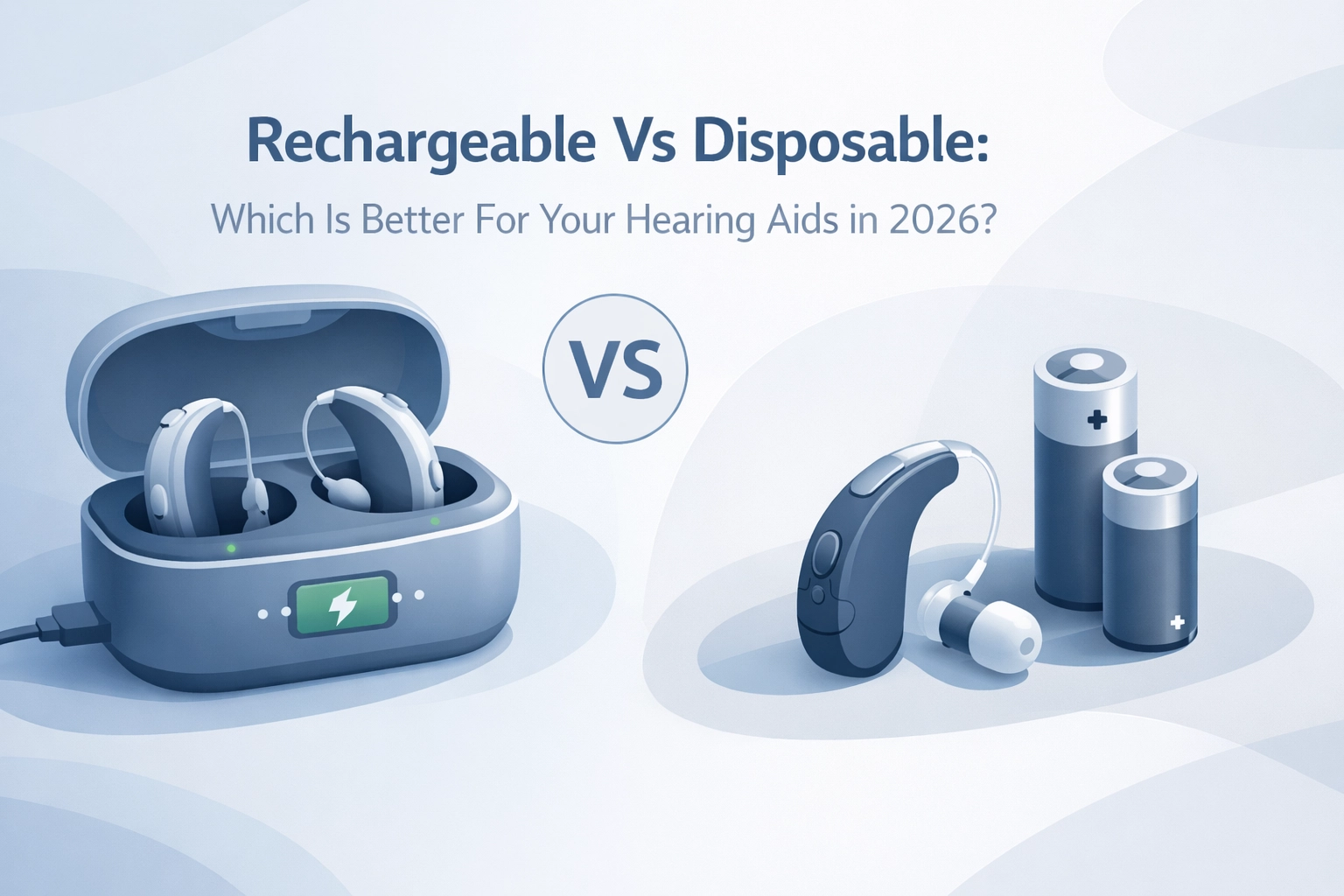
Rechargeable Vs Disposable: Which Is Better For Your Hearing Aids in 2026?
G’day! I’m an audiologist here at Pristine Hearing, and if there’s one question I get asked more than "Can you turn my wife's volume down?" it’s definitely: "Should I go for rechargeable or disposable batteries?"
It’s now 2026, and the tech in our industry has moved faster than a Perth sea breeze on a 40-degree day. While the majority of my patients are now leaning towards rechargeable options, in fact, about 80% of global sales are now hearing aid rechargeable models, there is still a very strong case for the "old school" disposable route.
Choosing the right power source isn’t just about the price tag; it’s about your lifestyle, your dexterity, and how much you travel around our beautiful WA or Tassie coastlines. In this guide, I’m going to break down the pros and cons of both, so you can make an informed choice before you visit us for your next fitting.
The Rechargeable Revolution: Why Most People Are Switching
In 2026, hearing aid rechargeable technology has become the gold standard. Most of the top-tier brands we stock at Pristine Hearing have moved almost exclusively to built-in lithium-ion batteries.
1. Convenience is King
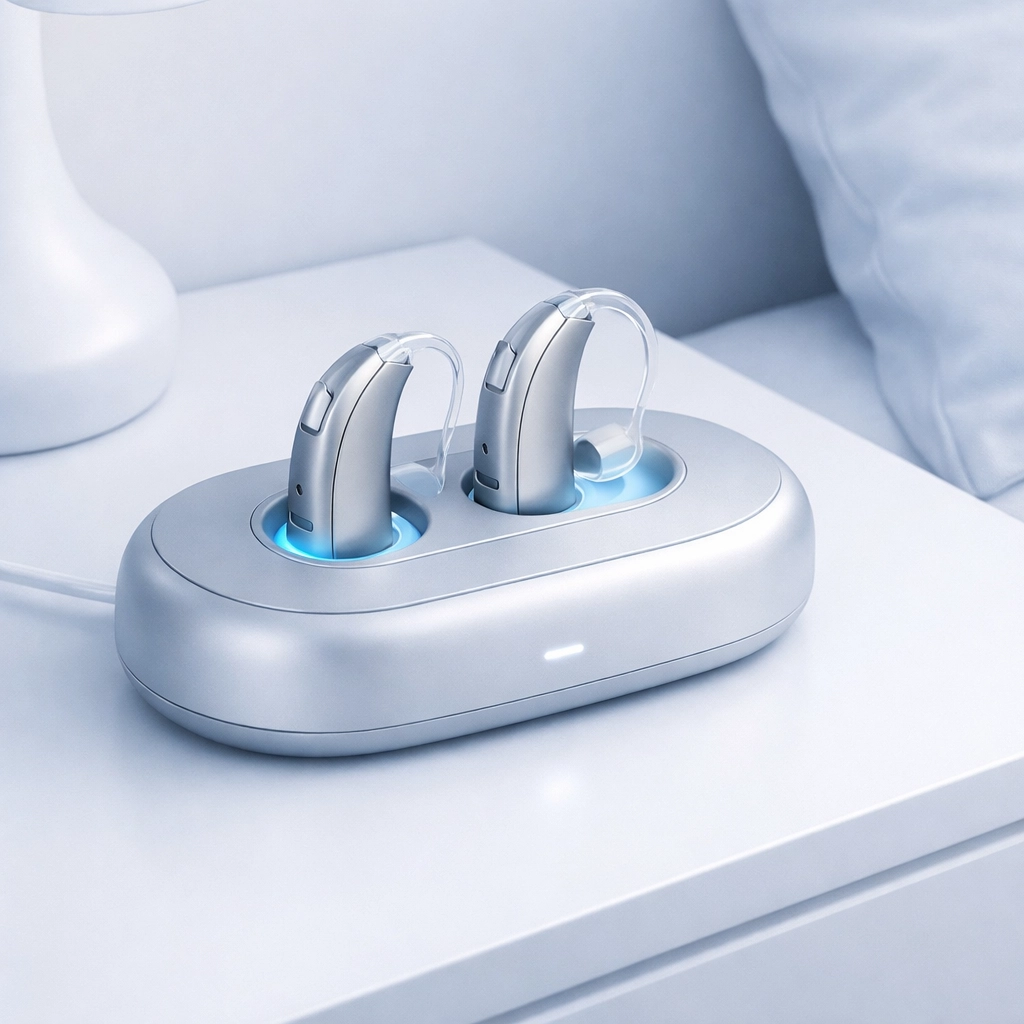
Gone are the days of carrying around those little plastic wheels of batteries and worrying if your hearing aid is going to die right in the middle of a grand final lunch. With rechargeable aids, you simply pop them in the charger at night, and they are ready to go when you wake up. Most modern units give you between 16 and 36 hours of use on a single charge, even if you’re doing a lot of Bluetooth streaming (connecting your hearing aids directly to your phone or TV to hear audio clearly).
2. Great for Dexterity (No More Fiddly Bits)
Many of my patients, like "Old Mate" Barry from Joondalup, struggle with arthritis or reduced sensation in their fingertips. If you’ve ever tried to peel the tiny tab off a Size 10 disposable battery and wiggle it into a microscopic drawer, you know it’s a nightmare. Rechargeable aids eliminate this struggle entirely. Because there’s no battery door to open, you just drop the whole device into a magnetic charging cradle. Bob’s your uncle!
3. Better for the Environment
If you use disposable batteries, you’re looking at throwing away roughly 100 to 200 tiny zinc-air batteries every single year. That’s a lot of waste heading into the bin. Choosing a rechargeable model reduces electronic waste by roughly 65% over the life of the device. If you’re trying to be more eco-conscious in 2026, this is a huge win.
4. Safety for the Grandkids and Pets
Zinc-air batteries (the round, silver disposable ones) are a major choking and poisoning hazard. If you have curious grandkids or a dog that likes to chew things, rechargeable aids are significantly safer because the battery is sealed inside the device. There’s no risk of a stray battery falling onto the carpet.
The Case for Disposable Batteries: Why They Still Matter
Despite the hype around recharging, I still have many patients who swear by disposable batteries. And you know what? They have some fair dinkum good reasons.
1. The "Off the Grid" Freedom
If you’re a grey nomad who spends months in a caravan or someone who loves hiking through the Tasmanian wilderness, you might not always have access to a power outlet. Disposable batteries give you instant 100% power. You just swap the battery, and you're back in action. No waiting 3 hours for a charge.
2. Lower Upfront Cost
Generally speaking, rechargeable hearing aids have a higher "sticker price" because you’re paying for the complex internal battery and the charging station. While you save money in the long run on battery costs, if you’re on a strict budget right now, a disposable-battery model might be more accessible. Get your Audiologist to provide a side-by-side quote to see the actual difference.
3. Reliability and Simplicity
Some people just don't want another thing to plug in at night. Between the phone, the tablet, and the electric toothbrush, the bedside table is getting crowded! With disposables, you don't have to worry about a charging cable failing or a power outage leaving you "deaf" the next morning.
Tech Spotlight: The Slim RIC in 2026
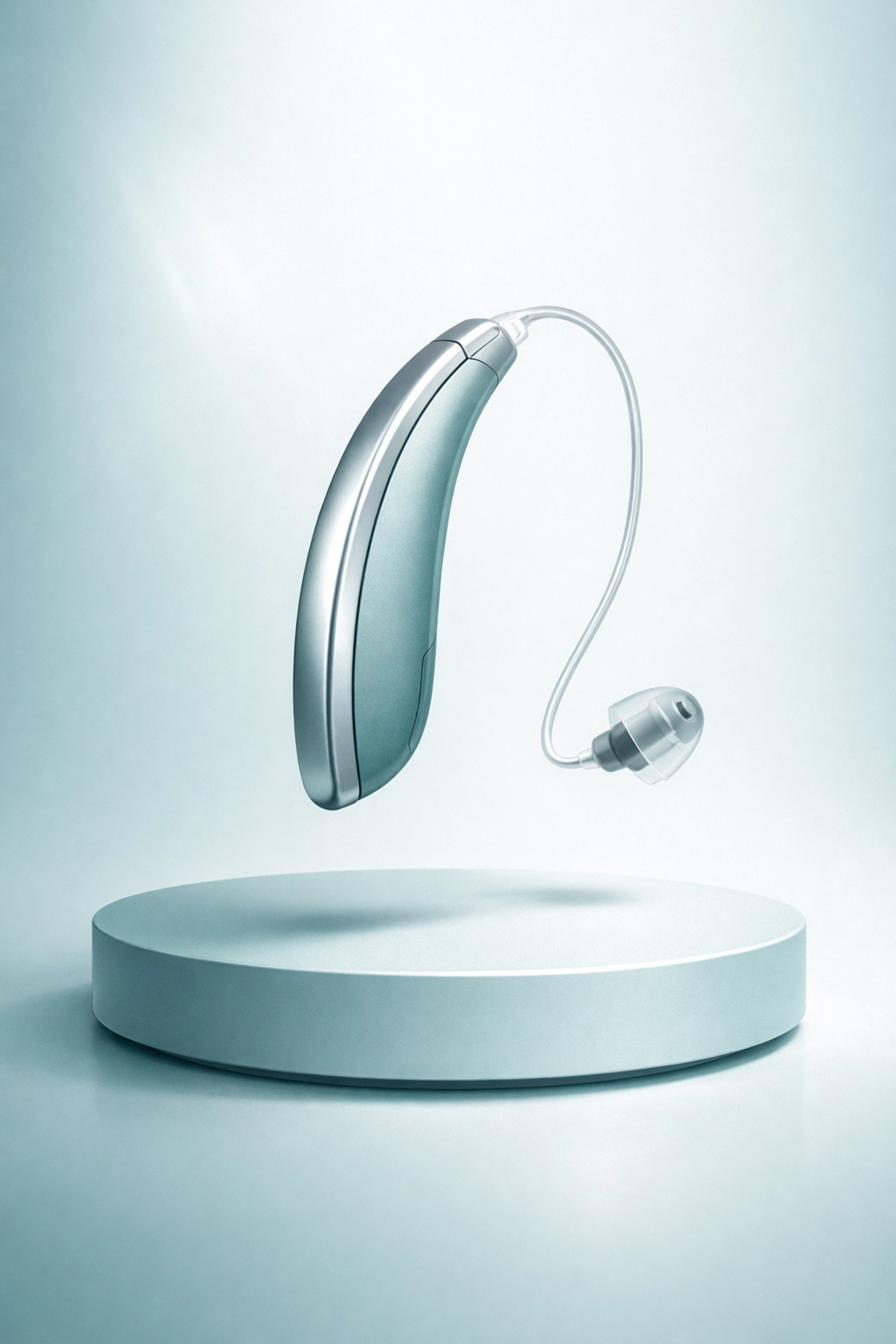
If you’re looking for the best of both worlds, you have to check out the latest Slim RIC models. RIC stands for Receiver-in-Canal, which means the speaker sits inside your ear canal while the processor sits discreetly behind the ear.
In 2026, these have become incredibly sleek. They look more like high-end tech accessories than medical devices. The Slim RIC models are almost exclusively rechargeable because the lithium-ion batteries allow for a much thinner, more curved design that follows the contour of your ear.
I often recommend these to patients who are worried about the "stigma" of hearing aids. They are so slim that they’re virtually invisible, even if you have short hair. Plus, they pack in all the latest features like AI-driven noise reduction (which helps the brain focus on speech in noisy pubs) and direct streaming to both Android and iPhone.
Case Study: Which One Suits Your Life?
To help you decide, let’s look at two of my recent patients here in Perth.
Scenario A: Margaret from Claremont
Margaret is 78 and loves her social life. She attends bridge club, goes to the theatre, and chats with her daughter in London via FaceTime every day. However, her hands aren't as steady as they used to be.
- My Recommendation: Rechargeable Slim RIC.
- Why? Margaret needs the Bluetooth streaming for her FaceTime calls, and the rechargeable base means she doesn't have to wrestle with tiny batteries. The ease of use makes her more likely to wear them every day.
Scenario B: Dave from Launceston
Dave is a retired surveyor who spends half his time fishing and camping in remote areas. He doesn't use a smartphone and just wants his hearing aids to work without any fuss.
- My Recommendation: Disposable Battery RIC.
- Why? Dave doesn't want to worry about charging his aids when he’s out on the boat or in a tent. Carrying a spare pack of batteries in his tackle box gives him peace of mind.
The 2026 Decision Framework: How to Choose
If you’re still sitting on the fence, use this quick checklist I’ve put together for my patients:
- Do you have trouble with fine motor skills? If yes, go rechargeable.
- Do you stream music or phone calls for more than 2 hours a day? If yes, go rechargeable (streaming drains disposable batteries very quickly).
- Are you often away from power sources for more than 24 hours? If yes, consider disposable or invest in a portable power bank charger.
- Is environmental impact a major concern for you? If yes, go rechargeable.
- Do you want the smallest, most discreet "Slim" design? If yes, rechargeable is usually your only option.
Do not go to a big-box retailer without first talking to a local expert who understands the Perth and Tasmania climate and lifestyle. Heat and humidity can affect battery life, and we know exactly which models hold up best in our local conditions.
How We Help at Pristine Hearing
Whether you’re looking for audiologists perth or help in Tasmania, our team is here to guide you through the "Battery Battle." We don't believe in a one-size-fits-all approach.
When you come in for a consultation, we do more than just a hearing test. We look at your lifestyle, your technology comfort level, and even the shape of your ears. We can show you the latest hearing aids perth locals are raving about and let you try both rechargeable and disposable versions in the clinic.
Make sure to ask about our trial periods. I always tell my patients: "Don't just take my word for it: take them home and see how they fit into your routine." If you find that you keep forgetting to charge them, or you find the batteries too fiddly, we can always swap them for the other style during your trial.
Summary of Key Takeaways:
- Rechargeable aids are best for convenience, dexterity issues, and frequent Bluetooth users.
- Disposable aids are great for remote travel and lower upfront costs.
- Slim RIC technology is the gold standard for discretion and modern features in 2026.
- Always consult a professional to weigh the long-term costs versus the immediate price.
If you’re ready to hear the world more clearly: whether it’s the roar of the crowd at Optus Stadium or the quiet rustle of the leaves in the Tamar Valley: give us a buzz.
Book your appointment today by visiting our contact page or checking out our services. We also have a great hearing aid bank if you're looking for more affordable options.
Don't let another year of "pardon?" and "what?" go by. Let’s get you sorted with the right tech for your life!
Author: Michael Segal
Manager, Pristine Hearing