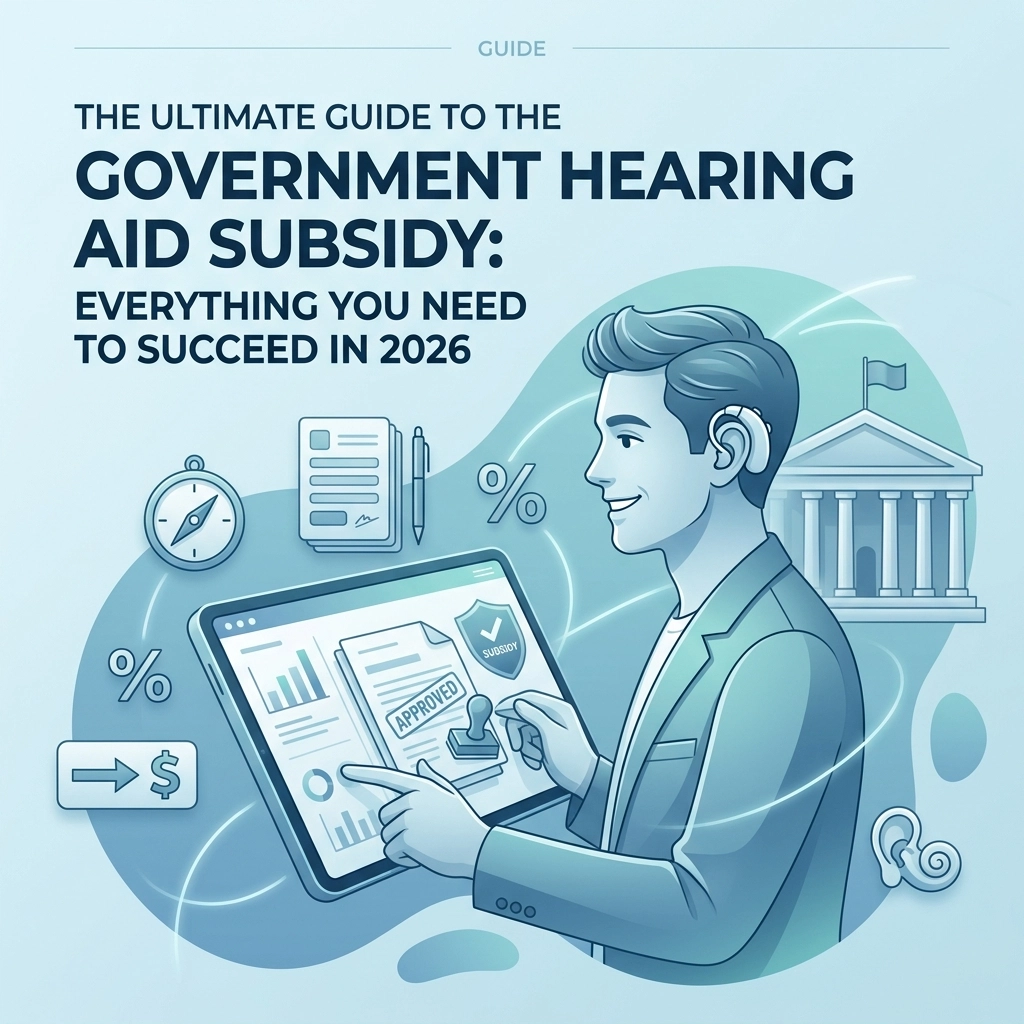
The Ultimate Guide to the Government Hearing Aid Subsidy: Everything You Need to Succeed in 2026
G’day! I’m Michael Segal, the manager here at Pristine Hearing in Perth. Over the years, I’ve seen thousands of patients walk through our doors feeling a bit overwhelmed by the "alphabet soup" of government programs. If you’ve been wondering how to navigate the 2026 landscape of hearing health, you’ve come to the right place.
Hearing loss (the reduced ability to hear sounds) isn't just about missing a few words in a conversation; it’s about staying connected to your family, your hobbies, and your community. The good news? The Australian Government’s Hearing Services Program (HSP) is one of the best in the world. But, like anything involving the government, there are rules, timelines, and specific amounts you need to know about.
In this guide, I’m going to break down exactly how often pensioners can get free hearing aids and how much the government hearing aid subsidy actually is in 2026. No jargon, just straight talk.
Are You Eligible? Let’s Check the Basics First
Before we talk money, we need to see if you can jump on the "subsidy train." In 2026, the eligibility criteria for the Commonwealth Hearing Services Program remain consistent, but it’s always worth a double-check.
You are eligible for the HSP if you are an Australian citizen or permanent resident and you fall into one of these categories:
- You hold a Pensioner Concession Card.
- You hold a Department of Veterans’ Affairs (DVA) Gold Card.
- You hold a DVA White Card (specifically for hearing loss).
- You are a dependent of a person in one of the above categories.
- You are an active-duty member of the Australian Defence Force.
If you’re unsure, do not go to a big-chain retail clinic without checking your status first. Get your Audiologist to run an eligibility check for you, it takes us about two minutes on the portal. You can also visit our funding page for a more detailed breakdown of these categories.
How Often Can Pensioners Get Free Hearing Aids?
This is the number one question I get asked in my clinic. "Michael, I got my aids four years ago, can I get new ones yet?"
In 2026, the general rule is that pensioners can get a new pair of "free" (fully subsidised) hearing aids every five years.
However, it isn't always a strict calendar countdown. Here is the nuance you need to know:
- The 5-Year Voucher Cycle: When you apply for the program, you receive a "Voucher." This voucher typically lasts for five years. During this time, the government covers your clinical assessments and basic repairs. Once that voucher expires, we apply for a new one, which triggers your eligibility for a brand-new set of devices.
- Clinical Necessity: If your hearing has changed significantly (I’m talking a major drop that your current aids can’t handle) before the five years are up, we can sometimes apply for a "Refit" based on clinical need. This requires a detailed report from me to the Department of Health.
- Lost or Damaged Beyond Repair: If you’ve accidentally run over your hearing aids with the car (it happens more than you’d think!), you don't necessarily have to wait five years. There is a process for "Lost and Damaged" replacements, though there is usually a small statutory fee involved.
Practical Summary: Expect to upgrade every five years. If your hearing feels like it's getting worse sooner, make sure to book a re-test immediately. Don't suffer in silence just because the calendar says you have a year left.
How Much Is the Government Hearing Aid Subsidy?
Now, let’s talk about the "hip pocket." When people ask "how much is the government hearing aid subsidy," they are usually looking for a dollar figure they can put toward fancy tech.
In 2026, the subsidy works in two ways:
1. The Fully Subsidised Path (The "Free" Option)
The government pays the full cost of specific hearing aid models. These are high-quality, reliable devices from world-leading manufacturers. They will help you hear the TV and one-on-one conversations clearly. If you choose these, you pay $0 out of pocket for the devices themselves. Bob’s your uncle!
2. The Partially Subsidised Path (The "Top-Up" Option)
If you want "bells and whistles", like advanced artificial intelligence for noisy restaurants, rechargeable batteries, or direct Bluetooth streaming to your smartphone, you might choose a "Top-Up" model.
- The government still pays the same base subsidy amount (which, in 2026, averages between $800 and $1,500 per pair depending on the specific clinical services required).
- You simply pay the difference between the government subsidy and the total price of the premium device.
Key Takeaway: The subsidy isn't a "discount coupon" you can use anywhere; it’s a set contribution toward your care. Whether you go for the basic or the premium, the government is still chipping in a significant amount to lower your costs. Check out our get a quote page to see how these subsidies apply to the latest 2026 models.
A Real-World Case Study: Harold from Subiaco
Let me tell you about a patient of mine, let’s call him Harold. Harold is 76, a retired teacher, and a mad-keen lawn bowler. He hadn't updated his hearing aids since 2020.
Harold came to me saying, "Michael, I can't hear the skip calling the shots at the club, and my wife says the TV is loud enough to wake the neighbours."
- The Check: I checked his voucher, it had just expired. He was eligible for the full 2026 subsidy.
- The Choice: Harold looked at the "free" aids but decided he wanted something that would help him in the wind at the bowling green.
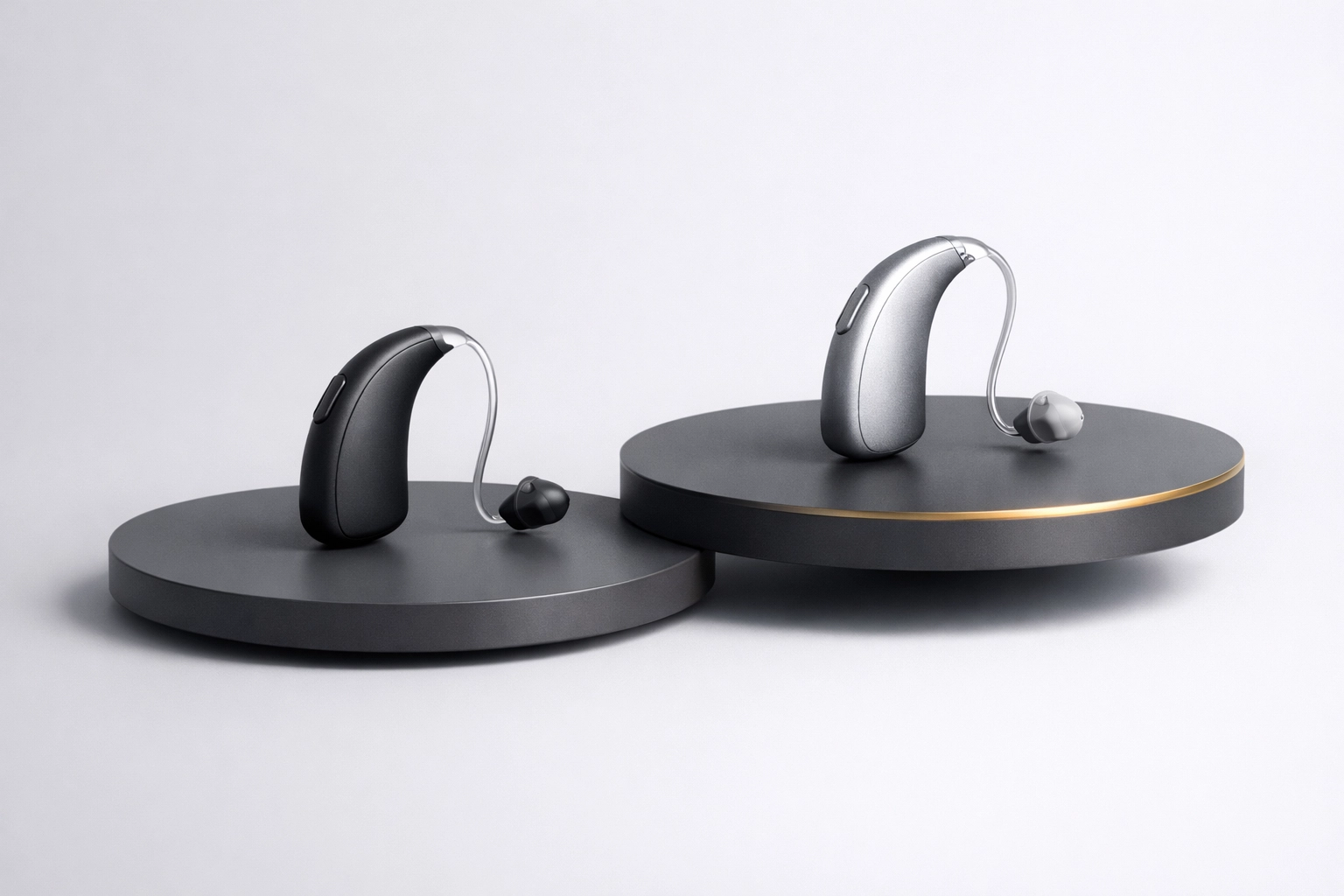
- The Result: He chose a "Top-Up" pair. The government subsidy covered about $900 of the cost, and Harold paid the remaining balance. Because he was a pensioner, he also got a GST exemption on the device.
Harold called me two weeks later. Not only was he hearing his wife at a normal volume, but he’d also won his club championship. Now, I can’t promise the hearing aids will make you a better bowler, but they certainly won't hurt!
Step-by-Step: How to Claim Your Subsidy in 2026
If you’re ready to get started, follow these steps exactly. Don’t skip ahead, or you might end up paying for something that should have been covered!
- Verify Your Eligibility: Check that your Pensioner or DVA card is current.
- Apply for the Voucher: You can do this online through the Hearing Services Program website, or simply call us at Pristine Hearing. We handle the paperwork for most of our patients because, let’s be honest, government websites can be a headache.
- The Hearing Assessment: Once the voucher is issued (usually instantly), book a comprehensive hearing test. We’ll determine the exact nature of your hearing loss.
- The Discussion: I will sit down with you and show you the range of devices. I’ll show you the fully subsidised ones and the top-up ones. I will never pressure you into a top-up; the choice is 100% yours.
- The Fitting: Once we choose the aids, we fit them and fine-tune them using "Real Ear Measures" (a technical way of making sure the sound hitting your eardrum is exactly what it should be).
- The Follow-Up: We’ll see you a couple of weeks later to make sure you’re happy.

Maintenance and Batteries: The Hidden Bonus
One thing many pensioners forget is the Maintenance Agreement. For a small annual co-payment (which is also subsidised by the government), you get unlimited batteries and all your repairs covered for the year.
Make sure to sign up for this. It saves you a fortune in the long run. There's nothing worse than running out of batteries on a Sunday morning before a big family lunch!
Why "Big Retail" Might Not Be Your Friend
I’ve got to be honest with you, some of the massive hearing aid chains have sales targets. They might push you toward expensive "top-up" models even if a fully subsidised one would work fine for your lifestyle.
At Pristine Hearing, we are independent. My goal is to get you the best hearing outcome, whether that costs you $0 or $2,000. Do not feel pressured to buy the most expensive model. Ask your clinician: "Would the fully subsidised model meet my clinical goals?" If they can't give you a straight answer, come see me.

Important Technical Terms Explained
- Audiologist: A university-trained specialist (6+ years of study) in hearing and balance.
- HSP (Hearing Services Program): The government body that manages the subsidies.
- Telehealth: In 2026, many of your follow-up appointments can be done via video call if you can't make it into the clinic.
- Tinnitus: That ringing or buzzing in your ears. Many 2026 hearing aids have built-in "maskers" to help with this. You can read more on our tinnitus page.
Final Thoughts: Don't Wait
If you’ve been putting this off, please stop. Hearing loss is linked to social isolation and even cognitive decline. The government has put this money aside specifically to help you stay active and engaged.
How often can pensioners get free hearing aids? Every five years.
How much is the government hearing aid subsidy? It covers the full cost of essential aids or a significant chunk of premium ones.
Now that we have looked at the numbers and the rules, the next step is up to you. Make sure to book an appointment with a clinic that treats you like a person, not a sales target.
If you have any questions or just want to chat about your options, contact us today. We’re here to help you hear the best you can in 2026 and beyond!
Practical Summary:
- Check your pension card status.
- Apply for your 5-year voucher.
- Choose between "Fully Subsidised" ($0) or "Top-Up" (Subsidised + your contribution).
- Sign the Maintenance Agreement for batteries and repairs.
- Enjoy hearing your grandkids again!
Cheers,
Michael Segal
Manager, Pristine Hearing